Planned Preventative Maintenance: Why Reactive Repairs are Costing You More
In commercial property management, there’s often a temptation to put off maintenance until something goes wrong. Whether it’s a leaking roof, a blocked gutter, or water ingress through the façade, the fix is typically made once the damage is already done. This is known as reactive maintenance, and while it may seem cost-effective in the short term, it often results in far higher costs, disruption, and risk over time.
That’s why more facilities managers are shifting their focus towards Planned Preventative Maintenance (PPM) – a proactive approach that identifies and addresses issues before they develop into costly problems. In this blog, we’ll explore how PPM works, why it’s a smarter investment, and how it applies to roofing, guttering, and drainage systems in particular.
What Is Planned Preventative Maintenance?
Planned Preventative Maintenance is a structured maintenance strategy that involves scheduled inspections, minor repairs, and servicing of building systems on a routine basis. The goal is to prevent failures rather than react to them.
This can apply to almost every part of a building, from HVAC systems and electrical infrastructure to more overlooked elements such as roof coverings, drainage systems, gutters, and coatings.
With PPM, you’re not waiting for something to break. You’re checking for early signs of wear, weathering, or blockage, and addressing them before they escalate.
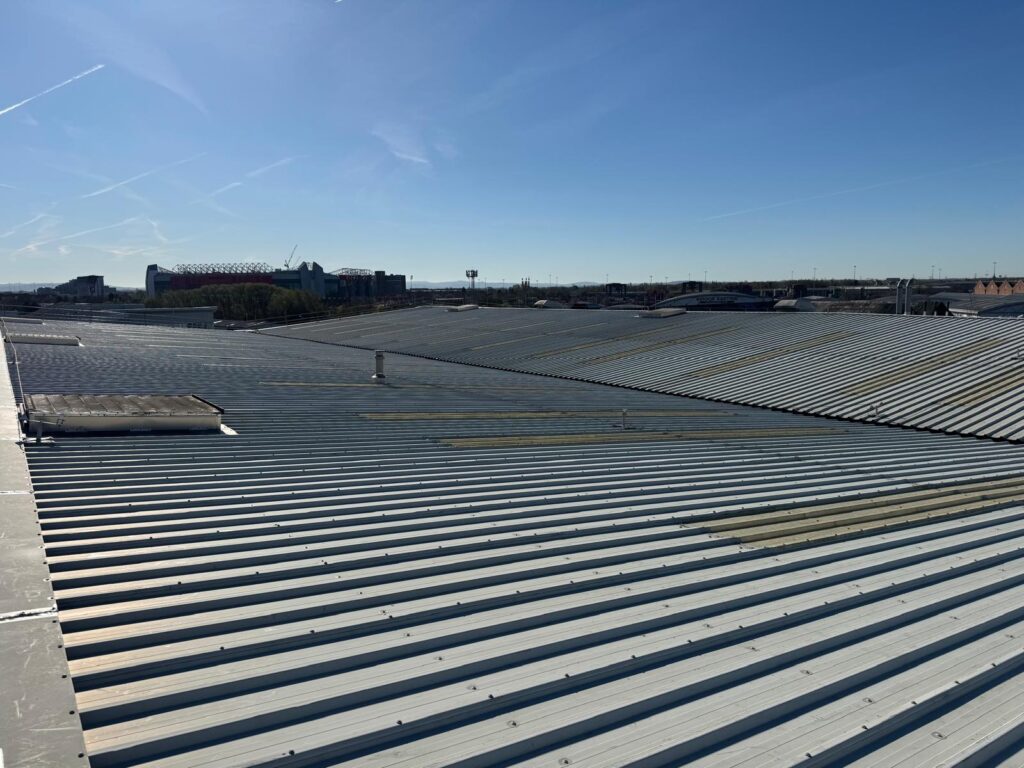
With PPM, you’re not waiting for something to break. You’re checking for early signs of wear, weathering, or blockage, and addressing them before they escalate.
The True Cost of Reactive Repairs
While reactive repairs may feel easier to budget for, you only pay when there’s a problem, they often come with hidden and unpredictable costs.
When a gutter overflows or a roof starts leaking, you’re not just paying for a quick repair. You’re also dealing with potential:
- Disruption to tenants or operations
- Internal damage to stock, equipment, or fittings
- Emergency callout fees
- Business interruption
- Increased insurance claims or premiums
- Reputational damage, especially in client-facing sites
In many cases, the total cost of the damage far exceeds what routine maintenance would have cost in the first place.
PPM in Practice: What It Looks Like
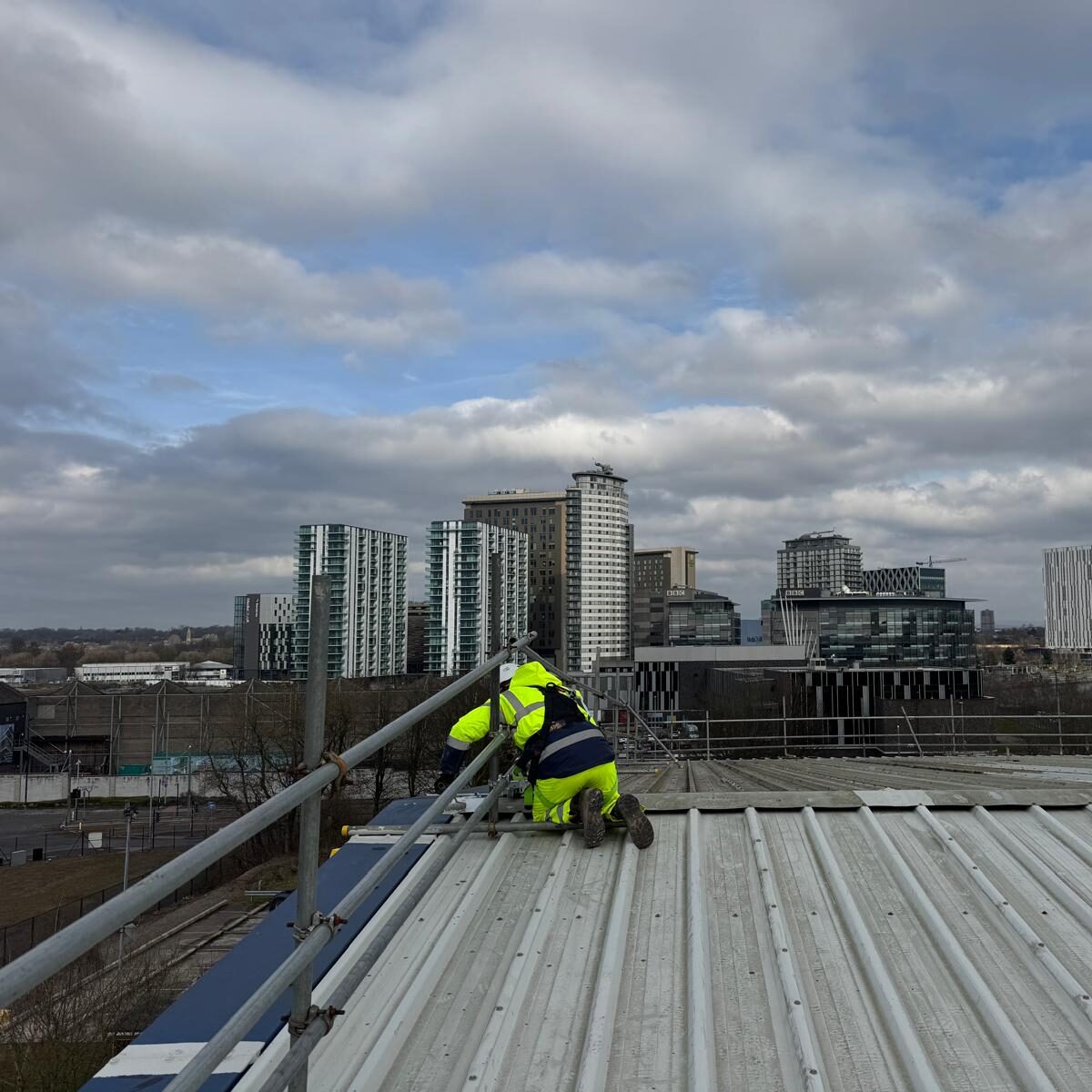
For roofing, gutters, and drainage, a PPM programme typically includes:
- Biannual or quarterly inspections (more frequently if the building is in a tree-heavy or high-rainfall area)
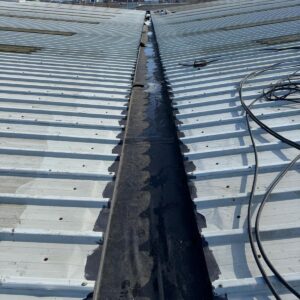
- Clearing of debris from gutters and outlets
- Checking fixings, brackets, and seals
- Testing drainage flow and overflows
- Reapplying or refreshing protective coatings
- Recording all actions for compliance and insurance purposes
These tasks are scheduled in advance, often outside of peak hours, and carried out with minimal disruption to building users.
Compliance and Insurance Benefits
Insurers are increasingly asking for evidence of preventative maintenance before approving claims related to water ingress or structural damage. Likewise, property owners and managing agents must comply with health and safety legislation, including duties under the Health and Safety at Work Act.
A documented PPM programme helps demonstrate that you’re meeting your responsibilities, and it strengthens your position in the event of a dispute or claim.
How RPMG Supports Your PPM Strategy
At RPMG, we provide tailored Planned Preventative Maintenance packages for commercial, retail, and industrial buildings. Our experienced teams carry out inspections, routine maintenance, minor repairs, and compliance reporting across a range of building systems.
We work around your schedule and priorities, helping you avoid downtime, control costs, and extend the life of your assets.
📞 Looking to reduce unplanned repair costs? Speak to us today about setting up a proactive maintenance plan for your site.