
Is Your Commercial Roof at Risk?
How Often You Really Need Maintenance
A commercial roof does a lot more than just keep the rain out, it protects your assets, your employees, and your operations. Yet, for many businesses, roof maintenance is often out of sight and out of mind until something goes wrong.
At RPMG, we understand how vital a well-maintained roof is to a commercial property’s performance and longevity. That’s why we always recommend a simple but highly effective approach: bi-annual roof inspections, once in the spring, and once in the autumn. These routine checks are the best way to catch minor issues before they turn into expensive problems.
Here’s why regular roof maintenance matters, what you should be checking for throughout the year, and how a preventative approach can save your business time and money.
Why Regular Roof Maintenance is Non-Negotiable
Every commercial roof, no matter how well-built, is constantly exposed to the elements. Sunlight, rain, wind, snow, and fluctuating temperatures all take their toll over time. If left unchecked, this wear and tear can lead to leaks, insulation breakdown, and even structural damage.
The benefits of proactive maintenance are clear:
-
- Prevent unexpected costs: Catching issues early is far cheaper than dealing with major repairs.
- Extend your roof’s lifespan: A well-maintained roof can last years longer than a neglected one.
- Protect the building’s interior: A watertight roof means no disruption, no water damage, and no downtime.
- Keep your business safe and compliant: Avoid health hazards like mould or slip risks from leaks.
-
- Improve energy efficiency: Proper insulation and ventilation can significantly reduce running costs.
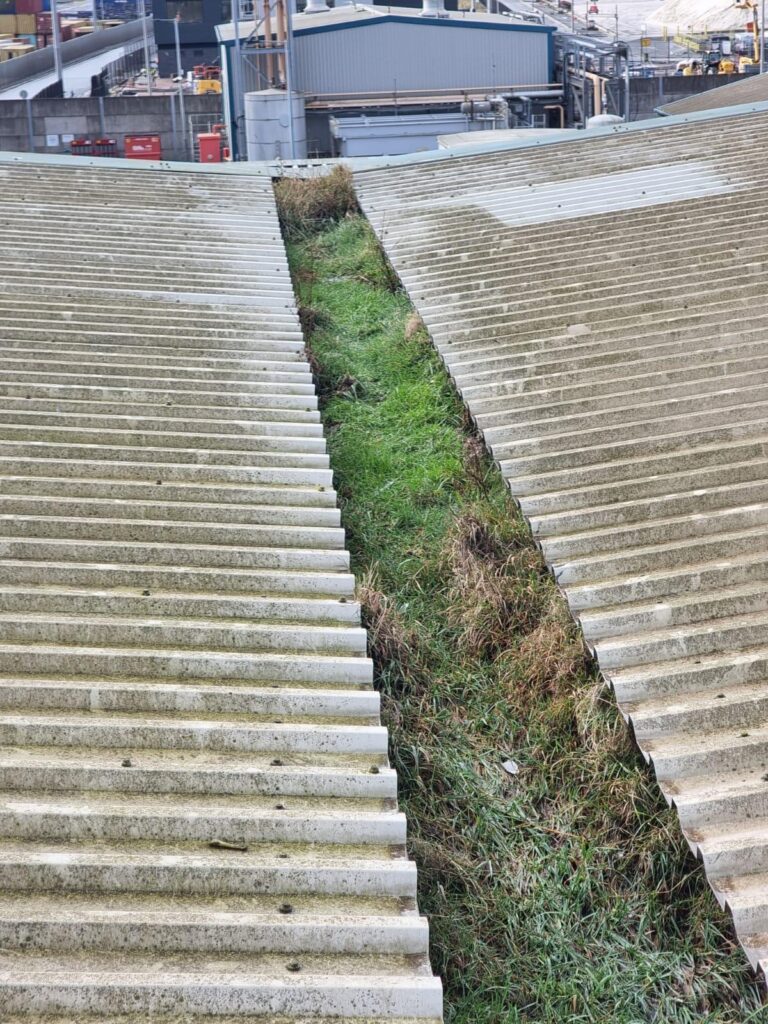
“A well maintained roof is vital to a commercial property’s performance and longevity”

The Gold Standard: Bi-Annual Roof Inspections
At RPMG, we advise all clients to have their commercial roofs inspected twice a year, once in spring to review winter damage, and again in autumn to prepare for the colder months ahead.
This bi-annual schedule is industry best practice, and for good reason:
-
- Spring inspections are ideal for spotting damage caused by snow, wind, or freezing temperatures.
-
- Autumn inspections help ensure that gutters are clear, seals are tight, and the roof is ready for heavy rain and dropping temperatures.
In addition, ad-hoc inspections should take place after any severe weather, such as storms or unusually high winds, which can cause immediate but often hidden damage.
What to Look For During a Roof Inspection
When our team carries out a roof inspection, we follow a thorough checklist to ensure nothing is missed. Here are the key areas every inspection should cover:
Surface Condition: We look for any cracking, blistering, bubbling, or worn areas on the membrane or surface layer. In flat roofs, we check for standing water, which can lead to long-term structural issues.
Drainage and Guttering: One of the most common causes of roof damage is poor drainage. We make sure all gutters, downpipes, and outlets are clear of leaves, silt, and debris, especially ahead of winter.
Flashing and Penetrations: Flashing around roof edges, skylights, HVAC systems, and vents must be secure and watertight. Any signs of lifting, rust, or degraded sealant need immediate attention.
Interior Checks: Water damage isn’t always obvious from the outside. Inside the building, we check for signs of leaks, including damp ceilings, wall staining, and musty smells. All of which are early indicators that the roof might be compromised.
Edge Details and Parapets: These areas are sometimes neglected but are critical to roof stability. We check for cracking, movement, and water ingress around all perimeter features.
Maintaining Your Roof Between Inspections
While professional inspections are essential, building managers can take simple steps between visits to keep the roof in good shape:
- Report internal issues like water stains or draughts promptly.
- Keep gutters clean to avoid overflow during heavy rain.
- Monitor rooftop equipment for leaks or wear around mounting points.
- Remove Visible debris such as leaves or branches, particularly after storms
Long-Term Gains from Preventative Maintenance
Making commercial roof maintenance a routine part of your facilities management doesn’t just keep problems at bay, it also delivers serious long-term value:
-
- You’ll avoid expensive emergency callouts and repairs.
- Your roof will stay in good condition for longer, delaying the need for costly replacement.
-
- Your workplace will stay dry, comfortable, and compliant with safety standards.
-
- Energy bills will likely come down, thanks to better insulation and ventilation performance.
Partnering with the Right Experts
As specialists in building care and asset protection, RPMG provides comprehensive roof maintenance solutions designed to meet the needs of each individual site. Whether you manage a logistics hub, a retail park, or an industrial unit, we’ll tailor your maintenance schedule to ensure complete peace of mind. You can take a look at the services we offer here.

Final Thoughts
So, how often should you maintain a commercial roof? The answer is clear: twice a year. A simple bi-annual inspection, supported by responsive maintenance and an experienced team, can be the difference between a well-running site and an expensive disruption.
If it’s been a while since your last inspection, or if you’re not sure where to start, the team at RPMG is here to help. We’ll keep your roof in top condition, so you can focus on what matters most, running your business.